Natural ways to balance hormones in women encompass a variety of approaches, from wellness programs to herbal remedies. Dive into this insightful discussion to discover how hormonal balance affects different aspects of women’s health and explore effective ways to maintain equilibrium naturally.
From skin health to mental clarity, this comprehensive guide will provide valuable insights and practical tips for achieving optimal hormonal balance. Let’s embark on a journey towards a healthier and more balanced life.
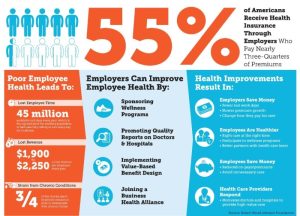
Wellness Programs
Wellness programs play a crucial role in helping women maintain hormonal balance, which is essential for overall health and well-being. These programs are designed to address various aspects of women’s health, including nutrition, exercise, stress management, and sleep, all of which can impact hormone levels.
Examples of Wellness Programs for Women’s Hormonal Health
- Yoga and Meditation Classes: These programs can help reduce stress levels and promote relaxation, which can positively impact hormone balance.
- Nutritional Counseling: Eating a balanced diet can support hormone production and regulation, making nutritional guidance a key component of wellness programs.
- Hormone Testing and Monitoring: Wellness programs may include regular hormone testing to track levels and make necessary adjustments to lifestyle or treatment plans.
Benefits of Participating in Wellness Programs for Hormonal Balance
- Improved Mood and Energy Levels: Balanced hormones can lead to better mood stability and increased energy throughout the day.
- Enhanced Fertility: Maintaining hormonal balance can support reproductive health and increase the chances of conception.
- Reduced Risk of Chronic Conditions: Hormonal imbalances have been linked to conditions like PCOS, diabetes, and thyroid disorders, so participating in wellness programs can help reduce the risk of developing these conditions.
Herbal Remedies
Herbal remedies have long been used to help balance hormones in women naturally. These remedies are derived from plants and are believed to have fewer side effects compared to conventional medications.
List of Natural Herbs for Hormonal Balance
- Black Cohosh
- Chasteberry
- Maca Root
- Ashwagandha
- Dong Quai
These herbs contain phytoestrogens and other compounds that can help regulate hormone levels in the body.
How Herbal Remedies Work
Herbal remedies work by interacting with the endocrine system to help regulate hormone production and balance levels. For example, Chasteberry is known to affect the pituitary gland, which in turn can help regulate the production of hormones like estrogen and progesterone.
Safety and Effectiveness of Herbal Remedies
While herbal remedies are generally considered safe, it’s important to consult with a healthcare provider before starting any herbal treatment, especially if you are pregnant, breastfeeding, or taking other medications. Some herbs may interact with certain medications or have side effects.
Additionally, the effectiveness of herbal remedies can vary from person to person, and results may take time to be noticeable.
Skin Health
Maintaining hormonal balance is crucial for overall health, including skin health in women. Hormonal fluctuations can lead to various skin issues like acne, dryness, and premature aging. Here are some tips to help maintain healthy skin through hormonal balance:
Impact of Hormonal Balance on Skin Health
Hormones play a significant role in regulating oil production, collagen synthesis, and skin cell turnover. Imbalances in hormones, such as estrogen, progesterone, and testosterone, can result in skin problems like acne, dryness, and dullness.
- Estrogen: This hormone helps maintain skin thickness and hydration. Low estrogen levels can lead to dry, thinning skin.
- Progesterone: Progesterone promotes skin elasticity and collagen production. Imbalances can result in sagging skin and wrinkles.
- Testosterone: Excess testosterone can cause increased oil production, leading to acne and breakouts.
Tips for Healthy Skin through Hormonal Balance, Natural ways to balance hormones in women
Maintaining hormonal balance is essential for achieving clear, radiant skin. Here are some tips to help support hormonal balance and improve skin health:
- Eat a balanced diet rich in fruits, vegetables, and healthy fats to support hormone production.
- Manage stress through relaxation techniques like yoga, meditation, or deep breathing exercises.
- Get regular exercise to improve blood circulation and promote hormone balance.
- Stay hydrated by drinking plenty of water to flush out toxins and keep skin hydrated.
- Use skincare products that are gentle and suitable for your skin type to avoid irritation and inflammation.
Connection between Hormones and Skin Issues
Hormonal imbalances can exacerbate common skin issues like acne and dryness. Understanding how hormones affect the skin can help in addressing these concerns effectively.
- Acne: Fluctuations in androgens like testosterone can lead to increased sebum production, clogging pores and causing acne breakouts.
- Dryness: Low estrogen levels can result in decreased skin hydration and moisture retention, leading to dry, flaky skin.
Bone Density
Maintaining optimal bone density is crucial for overall bone health and preventing conditions like osteoporosis. Hormones play a significant role in regulating bone density, especially in women.
Role of Hormones in Maintaining Bone Density
- Estrogen: Estrogen helps in maintaining bone density by inhibiting bone breakdown and promoting bone formation.
- Progesterone: Progesterone also plays a role in bone health by stimulating bone formation.
- Testosterone: Testosterone contributes to bone density in both men and women by promoting bone growth and strength.
Strategies to Support Bone Health through Hormonal Balance
- Follow a balanced diet rich in calcium, vitamin D, and other essential nutrients for bone health.
- Engage in weight-bearing exercises like walking, jogging, or strength training to promote bone strength.
- Get regular hormone level check-ups and consult with a healthcare provider to address any hormonal imbalances.
- Consider hormone replacement therapy under medical supervision if necessary to support bone health.
Risks of Hormonal Imbalance on Bone Density in Women
- Hormonal imbalances, such as low estrogen levels during menopause, can lead to accelerated bone loss and increased risk of osteoporosis.
- Imbalances in thyroid hormones can also affect bone density and increase the risk of fractures.
- Chronic stress and cortisol imbalances can impact bone health negatively over time.
Muscle Mass
Maintaining muscle mass is crucial for overall health and wellness in women. Hormones play a significant role in regulating muscle growth, strength, and repair.
Relationship Between Hormones and Muscle Mass
- Estrogen: Estrogen helps in maintaining muscle mass by promoting protein synthesis and reducing muscle breakdown. A decrease in estrogen levels, especially during menopause, can lead to muscle loss.
- Testosterone: Testosterone is important for muscle growth and strength in women. Lower testosterone levels can result in decreased muscle mass and reduced muscle strength.
- Insulin: Insulin plays a role in transporting glucose and amino acids into muscle cells for energy and growth. Imbalances in insulin levels can affect muscle health.
Exercises and Lifestyle Changes for Muscle Health
- Strength Training: Incorporating strength training exercises like weightlifting, resistance band workouts, and bodyweight exercises can help in building and maintaining muscle mass.
- Adequate Protein Intake: Consuming enough protein in your diet is essential for muscle repair and growth. Include sources like lean meats, fish, eggs, dairy, legumes, and nuts.
- Rest and Recovery: Giving your muscles time to rest and recover is crucial for muscle growth. Aim for 7-9 hours of quality sleep each night.
Impact of Hormonal Fluctuations on Muscle Strength and Mass
Hormonal fluctuations, such as those experienced during menstruation, pregnancy, or menopause, can impact muscle strength and mass in women. It is important to pay attention to these changes and adjust your exercise routine and diet accordingly to support muscle health.
Dental Care
As women experience hormonal changes throughout their lives, these fluctuations can have an impact on their dental health. Hormonal imbalances can lead to various oral health issues, including gum disease, changes in saliva production, and increased sensitivity.
Tips for Maintaining Good Dental Hygiene
- Brush your teeth at least twice a day with fluoride toothpaste to remove plaque and prevent cavities.
- Floss daily to clean between teeth and prevent gum disease.
- Use an antiseptic mouthwash to reduce bacteria and promote overall oral health.
- Eat a balanced diet rich in fruits, vegetables, and calcium to support strong teeth and gums.
Importance of Regular Dental Check-ups
Regular dental check-ups are essential for maintaining good oral health and supporting hormonal balance. Dentists can detect early signs of dental issues, provide professional cleanings, and offer personalized advice for optimal dental care. By scheduling routine check-ups, women can ensure their overall health and hormonal balance are well-maintained.
Eye Health
Maintaining hormonal balance is crucial for overall health, including eye health. Hormones play a significant role in regulating various functions in the body, which can also impact vision and eye-related conditions in women.
Connection between Hormonal Balance and Eye Health
Hormonal imbalances, such as fluctuations in estrogen and progesterone levels, can affect the eyes in several ways. These imbalances may lead to dry eyes, changes in vision, or even an increased risk of eye diseases like glaucoma and cataracts.
- Estrogen and Dry Eyes: Fluctuations in estrogen levels can contribute to dry eye syndrome, a condition characterized by inadequate tear production.
- Progesterone and Vision Changes: Changes in progesterone levels may affect the shape of the cornea, leading to refractive errors and blurred vision.
- Risk of Eye Diseases: Hormonal changes can also increase the risk of developing eye diseases like glaucoma, cataracts, and age-related macular degeneration.
Mental Clarity
Maintaining hormonal balance is crucial for optimal mental clarity in women. Hormones play a significant role in regulating brain function, mood, focus, and memory. When hormones are imbalanced, it can lead to cognitive issues such as brain fog, mood swings, and difficulty concentrating.
Techniques to Enhance Cognitive Function
- Regular Exercise: Physical activity helps regulate hormones, reduce stress, and improve cognitive function.
- Healthy Diet: Eating a balanced diet rich in essential nutrients can support hormonal balance and brain health.
- Stress Management: Practicing relaxation techniques like meditation or yoga can help reduce cortisol levels and improve mental clarity.
- Adequate Sleep: Getting enough quality sleep is essential for hormone regulation and cognitive function.
- Supplements: Certain supplements like omega-3 fatty acids, vitamin D, and magnesium can support brain health and hormonal balance.
Effects of Hormonal Fluctuations on Mood, Focus, and Memory
- Mood Swings: Hormonal fluctuations, especially during menstruation or menopause, can lead to mood swings and irritability.
- Focus Issues: Imbalanced hormones may cause difficulty in focusing, poor concentration, and forgetfulness.
- Memory Problems: Hormonal changes can impact memory retention and cognitive function, leading to memory lapses or confusion.
- Anxiety and Depression: Hormonal imbalances can also contribute to feelings of anxiety, depression, and overall mental well-being.
Joint Flexibility
Maintaining joint flexibility is crucial for overall well-being, especially for women. Hormonal balance plays a significant role in joint health, affecting flexibility and mobility.
Impact of Hormonal Balance on Joint Health
Hormones like estrogen and progesterone can influence the lubrication and inflammation levels in joints. When these hormones are imbalanced, it can lead to stiffness, pain, and reduced flexibility in joints.
- Engage in regular physical activity to promote joint flexibility.
- Incorporate stretching exercises into your daily routine to improve range of motion.
- Practice yoga or Pilates to enhance joint mobility and flexibility.
Common Joint Issues Related to Hormonal Changes and Aging
As women age, hormonal fluctuations can contribute to conditions like osteoarthritis, rheumatoid arthritis, and osteoporosis. These conditions can impact joint flexibility and overall joint health.
- Stay hydrated to keep joints lubricated and flexible.
- Eat a balanced diet rich in anti-inflammatory foods to reduce joint pain and stiffness.
- Consult with a healthcare provider to address any hormonal imbalances that may be affecting joint health.
Digestive Health
Maintaining digestive health is crucial for overall well-being, and hormones play a significant role in this process for women. Hormones like estrogen and progesterone can impact the function of the digestive system, affecting everything from nutrient absorption to bowel movements.
Role of Hormones in Digestive Health
Hormones help regulate the production of stomach acid, bile, and enzymes needed for digestion. They also influence the movement of food through the digestive tract and can affect the balance of gut bacteria. Any imbalance in hormone levels can disrupt these processes, leading to issues like bloating, constipation, or diarrhea.
Dietary Recommendations
- Aim for a balanced diet rich in fiber from fruits, vegetables, whole grains, and legumes to support healthy digestion.
- Incorporate probiotic-rich foods like yogurt, kefir, sauerkraut, and kimchi to promote a healthy gut microbiome.
- Stay hydrated by drinking plenty of water throughout the day to aid in digestion and prevent constipation.
- Avoid processed foods, sugary snacks, and excessive caffeine, as they can disrupt hormonal balance and digestion.
Impact of Hormonal Imbalances
Hormonal imbalances, such as those experienced during menopause or with conditions like polycystic ovary syndrome (PCOS), can lead to digestive issues. For example, low estrogen levels can cause a decrease in stomach acid production, leading to indigestion, while fluctuations in progesterone can affect bowel movements and contribute to constipation.
Detox Process
When it comes to hormonal balance, the body’s detoxification process plays a crucial role in maintaining overall health and equilibrium. Hormones can influence how efficiently toxins are processed and eliminated from the body, making it essential to support detoxification through natural means.
Influences of Hormonal Balance on Detox Process
- Hormones like estrogen and progesterone can impact liver function, which is the primary organ responsible for detoxification.
- Imbalances in cortisol, the stress hormone, can hinder the body’s ability to eliminate toxins effectively.
- Thyroid hormones also play a role in metabolism and detoxification processes.
Natural Ways to Support Detox Process through Hormonal Balance
- Adopting a healthy diet rich in fruits, vegetables, and fiber to support liver function and enhance toxin elimination.
- Staying hydrated by drinking plenty of water to flush out toxins and support kidney function.
- Incorporating regular exercise to promote sweating and enhance the elimination of toxins through the skin.
- Reducing exposure to environmental toxins by opting for organic products and minimizing the use of chemicals in household items.
Importance of Detoxing for Overall Health and Hormonal Equilibrium
- Detoxification helps prevent the accumulation of harmful substances in the body, which can disrupt hormonal balance and lead to various health issues.
- Supporting the body’s detox process can improve energy levels, digestion, skin health, and mental clarity.
- By promoting detoxification, individuals can enhance their overall well-being and maintain optimal hormonal equilibrium for better health outcomes.
Blood Pressure
Maintaining hormonal balance is crucial for overall health, including blood pressure regulation in women. Hormones play a significant role in controlling blood pressure levels, and any imbalance can lead to hypertension or hypotension.
Relationship Between Hormonal Balance and Blood Pressure
- Estrogen: Low levels of estrogen can cause blood vessels to constrict, leading to high blood pressure. On the other hand, high estrogen levels can result in fluid retention, increasing blood pressure.
- Progesterone: This hormone has a calming effect on the body, helping to relax blood vessels and lower blood pressure. Imbalances in progesterone levels can lead to fluctuations in blood pressure.
- Cortisol: Known as the stress hormone, cortisol can increase blood pressure levels when produced in excess due to chronic stress or adrenal issues.
Lifestyle Changes for Regulating Blood Pressure Through Hormonal Balance
- Regular exercise: Physical activity can help balance hormones and reduce stress, which in turn can regulate blood pressure levels.
- Healthy diet: Consuming a balanced diet rich in fruits, vegetables, whole grains, and lean proteins can support hormonal balance and promote optimal blood pressure.
- Stress management: Practicing relaxation techniques such as yoga, meditation, or deep breathing exercises can help lower cortisol levels and maintain blood pressure within a healthy range.
Risks of Hormonal Imbalances on Blood Pressure Levels
- Hypertension: Hormonal imbalances, especially in estrogen and cortisol, can contribute to the development of high blood pressure, increasing the risk of heart disease and stroke.
- Hypotension: Low levels of hormones like progesterone can lead to decreased blood pressure, causing symptoms like dizziness, fatigue, and fainting.
- Increased stress: Hormonal fluctuations can disrupt the body’s stress response, leading to elevated cortisol levels and, consequently, higher blood pressure.
Heart Rate
Hormonal fluctuations can have a significant impact on heart rate in women. These fluctuations can be caused by various factors such as stress, thyroid imbalances, menopause, or even certain medications. When hormones like estrogen, progesterone, and adrenaline are not balanced, it can lead to an increase or decrease in heart rate.
Effects of Hormonal Imbalances on Heart Rate
- Estrogen dominance can lead to a rapid heart rate, palpitations, or irregular heartbeats.
- Thyroid imbalances can cause either a slow or fast heart rate, depending on whether it’s hypothyroidism or hyperthyroidism.
- Menopause can result in heart palpitations due to hormonal shifts during this stage of life.
Tips for Maintaining a Healthy Heart Rate
- Engage in regular exercise to help regulate hormone levels and improve heart health.
- Eat a balanced diet rich in fruits, vegetables, lean proteins, and whole grains to support overall hormonal balance.
- Practice stress-reducing activities such as yoga, meditation, or deep breathing exercises to keep cortisol levels in check.
- Get an adequate amount of sleep each night to allow your body to repair and balance hormones naturally.
Connection between Hormonal Imbalances and Heart Health Issues
- Research shows that hormonal imbalances, especially estrogen dominance, can increase the risk of heart disease in women.
- Imbalanced thyroid hormones can also contribute to heart problems such as arrhythmias or hypertension.
- Addressing hormonal imbalances through lifestyle changes, dietary modifications, and possibly hormone therapy can help improve heart health outcomes.
- Thyroid Function Tests: These tests help assess the functioning of the thyroid gland, which plays a crucial role in hormone regulation.
- Hormone Level Tests: Checking levels of estrogen, progesterone, testosterone, and other hormones can provide valuable insights into hormonal balance.
- Pap Smear: This screening is essential for detecting any abnormalities in the cervix and ensuring reproductive health.
- Mammogram: Regular mammograms are vital for breast health and detecting any hormonal-related conditions like breast cancer.
- Annual flu vaccine: Protects against seasonal influenza, reducing the risk of illness and potential hormonal imbalances caused by viral infections.
- HPV vaccine: Helps prevent cervical cancer and other HPV-related diseases, supporting reproductive health and hormonal balance.
- Tdap vaccine: Guards against tetanus, diphtheria, and pertussis, safeguarding overall health and immune function in women.
- MMR vaccine: Prevents measles, mumps, and rubella, ensuring protection against these contagious diseases that can impact hormonal health.
- Hepatitis B vaccine: Shields against hepatitis B infection, promoting liver health and hormonal balance.
- Adequate sleep: Aim for 7-9 hours of quality sleep each night to support hormone production and regulation.
- Regular exercise: Engage in physical activity to reduce stress, improve mood, and balance hormones.
- Healthy diet: Consume a balanced diet rich in fruits, vegetables, lean proteins, and whole grains to provide essential nutrients for hormone synthesis.
- Stress management: Practice relaxation techniques such as yoga, meditation, or deep breathing to reduce cortisol levels and support hormonal balance.
- Avoid toxins: Minimize exposure to environmental toxins found in pesticides, plastics, and chemicals that can disrupt hormone function.
- Maintain a healthy weight: Strive for a healthy body weight through proper nutrition and regular exercise to support hormonal health.
- Estrogen: Regulates the menstrual cycle, maintains bone density, and affects mood.
- Progesterone: Helps prepare the uterus for pregnancy and regulates the menstrual cycle.
- Testosterone: Despite being known as a male hormone, women also produce testosterone, which influences libido, muscle mass, and energy levels.
- Thyroid hormones: Control metabolism, energy levels, and body temperature.
- Irregular periods
- Mood swings
- Weight gain or difficulty losing weight
- Fatigue
- Acne or skin issues
- Creating a customized diet plan to support hormonal balance, including foods rich in essential nutrients like omega-3 fatty acids, vitamins, and minerals.
- Implementing stress management techniques such as meditation, yoga, or deep breathing exercises to reduce cortisol levels and promote hormonal harmony.
- Encouraging regular physical activity to boost endorphins, improve circulation, and regulate hormone production.
- Setting achievable goals and monitoring progress to keep individuals accountable and motivated on their journey to hormonal balance.
- Personalized guidance tailored to individual needs and goals, ensuring a holistic approach to hormonal health.
- Accountability and support to stay on track with lifestyle changes, leading to long-term hormonal balance and overall wellness.
- Educational resources and tools to help women understand their hormonal imbalances and make informed decisions about their health.
- Empowerment to take control of their well-being and make sustainable changes that positively impact hormonal levels and quality of life.
- Consult with a healthcare provider or fitness professional to determine realistic and achievable fitness goals based on individual health and hormone levels.
- Focus on a combination of cardiovascular exercise, strength training, and flexibility exercises to support overall hormonal balance.
- Set specific and measurable goals, such as increasing the number of weekly workouts, improving endurance or strength, or achieving a certain level of fitness within a specified timeframe.
- Listen to your body and adjust your fitness goals as needed to avoid burnout or injury.
- Include rest and recovery days in your fitness routine to allow your body to repair and restore hormonal balance.
- Avoid processed foods and added sugars, as they can disrupt hormone levels and lead to imbalances.
- Include sources of omega-3 fatty acids, such as salmon, chia seeds, and walnuts, to reduce inflammation and support hormone production.
- Consume fiber-rich foods like whole grains, legumes, and vegetables to aid in digestion and promote hormonal health.
- Snack on nuts, seeds, or fruits between meals to maintain energy levels and support hormone production.
- Stay hydrated by drinking plenty of water throughout the day to aid in digestion and nutrient absorption.
- Avoid excessive caffeine and alcohol consumption, as they can disrupt hormone balance.
- Omega-3 fatty acids: Omega-3s are known for their anti-inflammatory properties and can help balance hormones by reducing inflammation in the body.
- Vitamin D: Vitamin D is important for hormone production and can help regulate insulin and estrogen levels.
- Magnesium: Magnesium plays a key role in hormone regulation and can help reduce symptoms of PMS and menopause.
- Adaptogenic herbs: Herbs like ashwagandha, rhodiola, and holy basil can help the body adapt to stress and support hormonal balance.
- Probiotics: Probiotics support gut health, which is essential for hormone regulation and overall well-being.
- Deep Belly Breathing: Inhale deeply through your nose, allowing your belly to rise as you fill your lungs with air. Exhale slowly through your mouth, emptying your lungs completely.
- Alternate Nostril Breathing: Close one nostril with your thumb and inhale deeply through the other nostril. Close the other nostril with your ring finger, exhale through the first nostril. Repeat on the other side.
- 4-7-8 Breath: Inhale quietly through your nose for a count of 4, hold your breath for a count of 7, then exhale forcefully through your mouth for a count of 8.
- Reduces stress and anxiety levels, leading to decreased cortisol production and improved hormonal balance.
- Improves oxygen flow in the body, enhancing overall health and vitality.
- Promotes relaxation and better sleep quality, which are essential for hormonal regulation.
- Enhances mental clarity and focus, helping to manage hormonal fluctuations more effectively.
- Proper hormonal balance can help regulate immune function, reducing the risk of autoimmune diseases.
- Balanced hormones contribute to a healthy metabolism, lowering the chances of developing metabolic disorders like diabetes.
- Optimal hormone levels can support cardiovascular health, decreasing the likelihood of heart disease and stroke.
- Hormonal equilibrium is linked to improved mental health, reducing the risk of mood disorders and cognitive decline.
- Engage in regular physical activity to support hormone production and balance.
- Follow a nutritious diet rich in vitamins, minerals, and antioxidants to nourish hormone-producing glands.
- Manage stress through relaxation techniques like meditation and yoga to prevent hormonal imbalances.
- Get an adequate amount of quality sleep to support hormone regulation and overall health.
- Avoid exposure to endocrine-disrupting chemicals present in certain plastics, cosmetics, and household products.
- Regular Exercise: Engaging in physical activity can help regulate hormone levels, reduce inflammation, and alleviate pain.
- Healthy Diet: Consuming a balanced diet rich in nutrients can support hormonal balance and reduce pain symptoms.
- Stress Management: Chronic stress can disrupt hormone levels and increase pain perception, so practicing relaxation techniques can help manage pain.
- Sleep Quality: Adequate sleep is essential for hormone regulation and pain management, so prioritizing good sleep hygiene is important.
- Hormonal fluctuations, such as during menstruation, pregnancy, or menopause, can exacerbate chronic pain conditions like migraines, fibromyalgia, and arthritis.
- Estrogen and progesterone levels can influence pain sensitivity, with imbalances potentially intensifying chronic pain symptoms.
- Addressing hormonal imbalances through lifestyle changes, natural remedies, and medical interventions can help alleviate chronic pain and improve quality of life for women.
- Include hormone-balancing foods in your diet, such as leafy greens, cruciferous vegetables, and healthy fats like avocado and coconut oil.
- Herbal remedies like chasteberry, black cohosh, and maca root can help regulate hormone levels and improve overall hormonal health.
- Consult with a holistic nutritionist or herbalist to create a customized plan tailored to your specific hormonal needs.
- Acupuncture can help stimulate specific points in the body to regulate hormone production and balance energy flow.
- Traditional Chinese Medicine practices like herbal medicine and cupping therapy can also support hormonal equilibrium.
- Consider seeking out a licensed acupuncturist or TCM practitioner for personalized treatment.
- Practices like yoga, meditation, and tai chi can help reduce stress levels, which in turn can positively impact hormone balance.
- Breathing techniques and mindfulness exercises can also support emotional well-being and hormonal health.
- Incorporate these mind-body techniques into your daily routine for holistic hormone balance.
Health Screenings
Regular health screenings are essential for monitoring hormonal balance in women. These screenings help in detecting any hormonal imbalances early on, allowing for timely intervention and treatment. By staying proactive with health screenings, women can ensure their hormones are in check and maintain overall well-being.
Recommended Screenings for Women
Early Detection of Hormonal Imbalances
Regular health screenings can help detect hormonal imbalances early, before they manifest into more significant health issues. By monitoring hormone levels through screenings, women can take proactive steps to address any imbalances through lifestyle changes, treatments, or medications. Early detection can significantly improve outcomes and quality of life for women dealing with hormonal imbalances.
Vaccination Programs: Natural Ways To Balance Hormones In Women
When it comes to maintaining hormonal balance in women, vaccination programs play a crucial role in ensuring overall health and wellness.
Impact of Hormonal Balance on Vaccination Effectiveness
Having balanced hormones can positively impact the effectiveness of vaccinations in women. Hormones play a key role in regulating the immune system, which is essential for a robust response to vaccines. Imbalances in hormones can affect the immune response, potentially reducing the efficacy of vaccinations.
Importance of Vaccination Programs
Vaccination programs are vital for maintaining overall health and hormonal balance in women. By protecting against infectious diseases, vaccines help prevent disruptions in the body’s hormonal equilibrium. This, in turn, promotes a healthy immune system and optimal hormone function.
Recommended Vaccinations for Women
Healthy Habits
Maintaining healthy habits is crucial for supporting hormonal balance in women. Lifestyle choices play a significant role in the regulation of hormones, impacting overall health and well-being. By incorporating simple yet effective habits into daily routines, women can optimize their hormonal balance and promote vitality.
List of Healthy Habits for Hormonal Balance:
Balanced Hormones
Having balanced hormones is crucial for overall well-being in women. Hormones play a significant role in regulating various bodily functions, including metabolism, mood, reproductive health, and more. When hormones are imbalanced, it can lead to a range of health issues and discomfort.
Key Hormones for Women’s Health
There are several key hormones that play a vital role in women’s health:
Signs and Symptoms of Hormonal Imbalance
Recognizing the signs of hormonal imbalance is essential for addressing the issue and restoring balance naturally. Common signs and symptoms include:
To achieve hormonal balance naturally, women can focus on lifestyle changes such as maintaining a healthy diet, regular exercise, stress management, and getting enough sleep. Additionally, incorporating supplements like omega-3 fatty acids, vitamin D, and adaptogenic herbs can also support hormone balance.
Health Coaching
Health coaching plays a crucial role in helping women achieve hormonal balance by providing personalized guidance, support, and motivation to make positive lifestyle changes. These coaches work closely with individuals to develop strategies that address specific hormonal imbalances, leading to improved overall well-being.
Strategies for Hormonal Health
Benefits of Working with a Health Coach
Fitness Goals
Setting fitness goals can have a significant impact on hormonal balance in women. Regular physical activity can help regulate hormone levels, reduce stress, improve mood, and enhance overall well-being. By creating specific fitness goals that support hormonal health, women can optimize their physical and mental health.
Tips for Creating Fitness Goals Supporting Hormonal Health
Connection Between Physical Activity, Hormones, and Overall Well-being
Regular physical activity has been shown to positively impact hormone levels in women. Exercise can help regulate cortisol levels, increase endorphin production, and improve insulin sensitivity, all of which contribute to hormonal balance. Additionally, maintaining a consistent fitness routine can enhance mood, energy levels, and overall quality of life.
By prioritizing physical activity and setting fitness goals that support hormonal health, women can optimize their well-being and achieve a greater sense of balance in their lives.
Diet Planning
Proper diet planning is crucial for maintaining hormonal balance in women. The foods we eat can greatly impact our hormone levels, so it’s essential to focus on nutrition to support overall hormonal health.
Importance of Nutrition for Hormonal Health
Eating a well-balanced diet rich in nutrients is key to promoting hormonal equilibrium. Foods high in antioxidants, vitamins, and minerals can help regulate hormone production and function. Incorporating a variety of whole foods, such as fruits, vegetables, lean proteins, and healthy fats, can provide the necessary nutrients to support hormonal balance.
Remember, a well-rounded diet filled with nutrient-dense foods is essential for maintaining hormonal balance.
Meal Ideas and Dietary Recommendations
Planning meals that incorporate a balance of macronutrients (carbohydrates, proteins, and fats) can help support hormonal health. Consider the following dietary recommendations to promote hormonal equilibrium:
| Breakfast | Lunch | Dinner |
|---|---|---|
| Greek yogurt with berries and almonds | Quinoa salad with grilled chicken and avocado | Salmon with roasted sweet potatoes and steamed broccoli |
Health Supplements
Health supplements play a crucial role in supporting hormonal balance for women. These supplements can provide essential nutrients and compounds that help regulate hormone levels, improve overall well-being, and address specific hormonal issues.
Key Supplements for Hormonal Balance
Safety and Effectiveness of Using Supplements
It is important to consult with a healthcare provider before starting any new supplement regimen, especially if you have underlying health conditions or are taking medications.
Supplements can be effective in supporting hormonal balance when used properly and in conjunction with a healthy lifestyle. However, it is essential to choose high-quality supplements from reputable brands to ensure safety and effectiveness.
Breathing Techniques
Breathing techniques play a crucial role in balancing hormones in women by helping to reduce stress levels, improve circulation, and promote overall well-being. Incorporating mindful breathing practices into daily routines can have a significant impact on hormonal health.
Examples of Breathing Exercises
Benefits of Mindful Breathing Practices
Disease Prevention
Maintaining hormonal balance plays a crucial role in disease prevention for women. When hormones are in equilibrium, it can significantly reduce the risk of various health conditions and promote overall well-being. Here we will delve into the connection between hormonal balance and disease prevention, along with insights on preventive measures and lifestyle choices that support hormonal health.
Connection between Hormonal Balance and Disease Prevention
Preventive Measures and Lifestyle Choices
Pain Management
Pain perception in women can be significantly influenced by hormonal balance. Hormones play a crucial role in regulating pain sensitivity, with fluctuations affecting how women experience and manage pain. Understanding the impact of hormonal imbalances on pain can lead to more effective pain management strategies.
Natural Methods for Managing Pain Through Hormonal Regulation
Impact of Hormonal Imbalances on Chronic Pain Conditions
Holistic Treatments
Holistic treatments offer a natural and comprehensive approach to balancing hormones in women. These therapies focus on treating the body as a whole, addressing the root causes of hormonal imbalances rather than just the symptoms.
Nutrition and Herbal Remedies
Acupuncture and Traditional Chinese Medicine
Mind-Body Techniques
Mental Resilience
Maintaining mental resilience is crucial for overall well-being, and hormonal balance plays a significant role in promoting this resilience in women. Hormones such as estrogen, progesterone, and cortisol can impact mood, stress levels, and emotional stability, ultimately affecting mental resilience.
Impact of Hormonal Balance on Mental Resilience
When hormones are balanced, women are better equipped to handle stress, manage emotions, and bounce back from challenges. Estrogen, for example, has been linked to serotonin production, which is a key neurotransmitter responsible for regulating mood. Progesterone can have a calming effect on the brain, reducing anxiety and promoting relaxation.
On the other hand, high levels of cortisol, the stress hormone, can negatively impact mental resilience by increasing feelings of anxiety and overwhelm.
By regulating these hormones through natural methods, women can enhance their mental resilience and cope better with life’s ups and downs.
Summary
In conclusion, prioritizing hormonal balance through natural methods is key to enhancing overall well-being for women. By incorporating these strategies into your lifestyle, you can proactively manage your hormonal health and experience the benefits of a harmonious internal environment. Take charge of your hormones and empower yourself to live a healthier, more balanced life.
FAQ Corner
How do herbal remedies regulate hormones in women?
Herbal remedies contain compounds that mimic the body’s hormones, helping to balance levels naturally without the side effects of synthetic hormones.
Can hormonal imbalance affect skin health?
Yes, hormonal imbalance can lead to skin issues like acne or dryness due to changes in oil production and cell turnover.
What are some healthy habits that support hormonal balance?
Regular exercise, sufficient sleep, stress management, and a balanced diet rich in nutrients can all contribute to maintaining hormonal equilibrium.