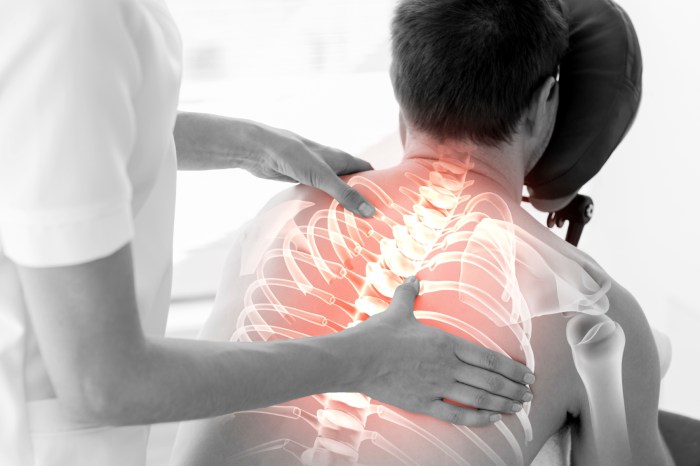
Massage therapy for muscle pain relief sets the stage for this enthralling narrative, offering readers a glimpse into a story that is rich in detail and brimming with originality from the outset. The benefits of massage therapy in relieving muscle pain, different techniques used, and the importance of seeking professional help are all key components of this informative discussion.
Introduction to Massage Therapy for Muscle Pain Relief
Massage therapy is a popular and effective method for relieving muscle pain and tension. The benefits of massage go beyond just relaxation, as it can help improve blood circulation, reduce inflammation, and promote healing in the muscles.
Types of Massage Techniques for Muscle Pain Relief
- Swedish Massage: This gentle form of massage uses long strokes, kneading, and circular movements to target muscle tension and promote relaxation.
- Deep Tissue Massage: This technique applies firmer pressure to reach the deeper layers of muscle tissue, helping to release chronic muscle tension.
- Sports Massage: Specifically designed for athletes, this massage focuses on preventing and treating injuries, as well as enhancing athletic performance.
The Importance of Seeking Professional Help for Muscle Pain Management
While self-massage techniques can provide temporary relief, seeking professional help from a trained massage therapist is essential for effectively managing muscle pain in the long term. A professional therapist can assess your specific needs, tailor the massage treatment accordingly, and ensure that the right techniques are applied to address the root cause of the pain.
Wellness Programs and Muscle Pain Relief
Wellness programs play a crucial role in complementing massage therapy for overall muscle health. These programs focus on holistic approaches to well-being, incorporating nutrition, exercise, and mental health practices to enhance the effects of massage therapy on muscle pain relief.
Nutrition and Exercise for Muscle Pain Relief
Nutrition and exercise are key components in maximizing the benefits of massage therapy for muscle pain relief. A diet rich in anti-inflammatory foods such as fruits, vegetables, and lean proteins can help reduce muscle inflammation and promote faster recovery. Regular exercise, including stretching and strength training, can complement the effects of massage therapy by improving muscle flexibility and preventing future injuries.
Mental Well-Being and Muscle Pain Relief
The connection between mental well-being and muscle pain relief is significant in wellness programs. Stress and anxiety can contribute to muscle tension and pain, which can be alleviated through relaxation techniques such as meditation, breathing exercises, and mindfulness practices. By addressing mental health concerns, individuals can experience enhanced benefits from massage therapy for muscle pain relief.
Herbal Remedies for Muscle Pain Relief
Herbal remedies have been used for centuries to alleviate muscle pain and discomfort. When used in conjunction with massage therapy, these natural remedies can enhance the healing process and provide relief from muscle soreness. It is important to understand how these herbal remedies work and the significance of consulting with a healthcare professional before incorporating them into your muscle pain relief regimen.
Common Herbal Remedies for Muscle Pain Relief
- Arnica: Known for its anti-inflammatory properties, arnica is often used topically to reduce muscle pain and swelling.
- Ginger: Ginger contains compounds that help reduce pain and inflammation, making it a popular choice for muscle pain relief.
- Turmeric: Curcumin, the active ingredient in turmeric, has powerful anti-inflammatory properties that can help alleviate muscle soreness.
- Chamomile: Chamomile is a gentle herb that can help relax muscles and relieve tension, making it beneficial for muscle pain relief.
Mechanisms of Herbal Remedies in Muscle Pain Relief
Herbal remedies work in various ways to reduce muscle pain. For example, arnica helps decrease inflammation, while ginger and turmeric inhibit pain pathways in the body. Chamomile, on the other hand, acts as a mild sedative to relax muscles and promote overall relaxation.
Consulting with a Healthcare Professional
Before incorporating any herbal remedies into your muscle pain relief regimen, it is crucial to consult with a healthcare professional. They can provide guidance on the appropriate dosage, potential interactions with medications, and ensure that the herbal remedies are safe and effective for your individual needs.
Skin Health and Muscle Pain Relief
Skin health plays a crucial role in muscle pain relief as the condition of our skin can impact the effectiveness of massage therapy. Healthy skin allows for better absorption of essential oils and lotions used during massages, enhancing the overall experience and outcomes.
Skincare Routines for Muscle Pain Relief
Maintaining a consistent skincare routine can support muscle pain relief by promoting healthy circulation and relaxation. Using moisturizing creams or oils with ingredients like arnica, menthol, or eucalyptus can provide soothing effects on sore muscles. Additionally, gentle exfoliation can help remove dead skin cells, allowing for better absorption of topical treatments.
Skin Hydration and Muscle Pain Management
Skin hydration is crucial for effective muscle pain management as dehydrated skin can exacerbate muscle tension and soreness. Drinking an adequate amount of water and using hydrating skincare products can help improve skin elasticity and flexibility, reducing the risk of muscle strains and injuries.
Incorporating massage oils rich in hydrating ingredients like jojoba or coconut oil can also enhance the moisturizing effects during massage therapy sessions.
Bone Density and Muscle Pain Relief
The relationship between bone density and muscle pain is crucial for overall musculoskeletal health. Low bone density can lead to increased risk of fractures, which can contribute to muscle pain and discomfort. Additionally, weak bones can affect posture and muscle alignment, leading to chronic pain in the muscles.
Exercises to Improve Bone Density
Regular weight-bearing exercises such as walking, jogging, dancing, and strength training can help improve bone density. These activities stimulate bone growth and strengthen the muscles around the bones, providing better support and reducing the risk of injuries.
Role of Calcium and Vitamin D
Calcium and vitamin D play a vital role in maintaining bone health and density. Calcium is essential for bone strength, while vitamin D helps the body absorb calcium effectively. Including dairy products, leafy greens, nuts, and fortified foods in your diet can ensure an adequate intake of calcium.
Sun exposure and vitamin D supplements can help maintain optimal levels of vitamin D for bone health.
Muscle Mass and Muscle Pain Relief
Muscle mass plays a crucial role in supporting muscle pain relief. Strengthening muscles can significantly reduce the likelihood of experiencing muscle pain and discomfort. By increasing muscle mass, individuals can improve their overall muscle function and reduce the strain on joints and ligaments, thus alleviating muscle pain.
Importance of Muscle Mass in Alleviating Muscle Pain
Having adequate muscle mass can help distribute the workload more evenly throughout the body, reducing the strain on specific muscles that can lead to pain and discomfort. This can also help improve posture and alignment, further reducing the risk of muscle pain.
- Regular strength training exercises, such as weight lifting or resistance training, can help increase muscle mass and strength, providing better support for the body and reducing the risk of muscle pain.
- Engaging in activities like yoga or Pilates can also help improve muscle mass, flexibility, and overall body alignment, contributing to muscle pain relief.
- Proper nutrition, including an adequate intake of protein, vitamins, and minerals, is essential for muscle growth and maintenance, supporting muscle pain relief in the long run.
Dental Care and Muscle Pain Relief
Dental care plays a crucial role in maintaining overall health, including muscle pain relief. The condition of your teeth and gums can impact various areas of your body, including your muscles.When it comes to muscle pain relief, dental issues like teeth grinding (bruxism) can be a significant contributor.
Bruxism can cause tension in the jaw muscles, leading to headaches, neck pain, and even shoulder pain. Addressing dental problems like bruxism can help alleviate muscle pain in these areas.
Maintaining Good Dental Care Practices
- Brush your teeth at least twice a day and floss daily to prevent dental issues that may contribute to muscle pain.
- Regular dental check-ups are essential to catch any problems early and prevent them from worsening.
- Avoid habits like teeth grinding and clenching, which can strain the jaw muscles and lead to muscle pain.
- Consider using a mouth guard at night if you have bruxism to protect your teeth and alleviate muscle tension.
Eye Health and Muscle Pain Relief
Eye strain can have a significant impact on muscle pain, particularly in the neck and shoulders. The muscles in these areas can become tense and sore due to prolonged periods of focusing on screens or reading, leading to discomfort and reduced mobility.
Exercises and Relaxation Techniques for the Eyes
- Palming: Rub your hands together to generate heat, then place them gently over your closed eyes. Relax and breathe deeply for a few minutes to soothe tired eyes.
- Eye Rolling: Slowly roll your eyes in a circular motion, first clockwise and then counterclockwise. This can help to relax the eye muscles and reduce strain.
- Focus Shifting: Look at an object in the distance, then refocus on something close by. Repeat this exercise several times to prevent eye fatigue.
Role of Proper Lighting and Ergonomics
Proper lighting and ergonomics play a crucial role in preventing eye-related muscle pain. Ensure that your workspace is well-lit to reduce eye strain, and position your computer screen at eye level to avoid unnecessary neck and shoulder tension. Additionally, take regular breaks to rest your eyes and stretch your muscles to maintain eye health and prevent discomfort.
Mental Clarity and Muscle Pain Relief
When it comes to managing muscle pain, addressing mental clarity and stress levels is crucial. The mind-body connection plays a significant role in how we perceive and experience pain. By promoting mental clarity and practicing stress management techniques, individuals can effectively alleviate muscle pain and improve overall well-being.
Mindfulness Techniques for Muscle Pain Relief
- Practice deep breathing exercises to calm the mind and relax tense muscles.
- Engage in mindfulness meditation to increase awareness of bodily sensations and reduce stress levels.
- Try progressive muscle relaxation techniques to release tension and alleviate muscle pain.
- Incorporate yoga or tai chi into your routine to promote relaxation and improve flexibility.
Importance of Addressing Mental Health
Addressing mental health is essential for overall well-being and effective muscle pain management. Chronic stress and anxiety can exacerbate muscle pain, leading to increased discomfort and reduced quality of life. By prioritizing mental clarity and emotional well-being, individuals can enhance their pain relief strategies and achieve long-term relief.
Joint Flexibility and Muscle Pain Relief
Joint flexibility plays a crucial role in alleviating muscle pain and maintaining overall mobility. When our joints are flexible, it reduces the strain on muscles during movement, leading to decreased muscle tension and discomfort.
Stretching Exercises and Yoga Poses for Improved Joint Flexibility
Engaging in regular stretching exercises and practicing yoga can significantly enhance joint flexibility and help in relieving muscle pain. Some beneficial stretching exercises and yoga poses include:
- Forward Fold: This yoga pose focuses on stretching the hamstrings and lower back, promoting flexibility in the hip joints.
- Cat-Cow Stretch: A gentle yoga flow that helps in loosening the spine and improving flexibility in the shoulders and hips.
- Quadriceps Stretch: Stretching the quadriceps muscles can relieve tension in the knees and improve overall lower body flexibility.
- Child’s Pose: This resting yoga pose stretches the back, hips, and thighs, aiding in enhancing overall joint flexibility.
Maintaining Joint Health for Long-Term Muscle Pain Prevention
By prioritizing joint health, individuals can prevent muscle pain in the long term. Proper joint care involves regular movement, avoiding prolonged periods of inactivity, and incorporating joint-friendly exercises into daily routines. Additionally, maintaining a healthy weight and consuming a balanced diet rich in essential nutrients can support joint health and reduce the risk of muscle pain.
Digestive Health and Muscle Pain Relief
When it comes to muscle pain relief, one aspect that is often overlooked is the connection between digestive health and muscle pain. The health of our gut can have a significant impact on the inflammation levels in our body, which can directly affect muscle pain.
Impact of Inflammation in the Gut on Muscle Pain
Inflammation in the gut can lead to a condition known as leaky gut syndrome, where the lining of the intestines becomes permeable, allowing toxins and bacteria to enter the bloodstream. This can trigger an immune response, leading to increased inflammation throughout the body, including the muscles.
As a result, individuals may experience heightened muscle pain and discomfort.
Dietary Tips and Probiotics for Digestive Health
- Include fiber-rich foods in your diet to promote healthy digestion and reduce inflammation. Foods like fruits, vegetables, whole grains, and legumes can support a healthy gut microbiome.
- Probiotics, such as yogurt, kefir, sauerkraut, and kimchi, contain beneficial bacteria that can help restore balance to the gut flora and reduce inflammation. Incorporating these probiotic-rich foods into your diet can aid in digestive health and potentially alleviate muscle pain.
- Stay hydrated by drinking an adequate amount of water daily. Proper hydration is essential for digestive function and can help flush out toxins that contribute to inflammation in the gut.
Detox Process and Muscle Pain Relief
To understand how detoxifying the body can aid in muscle pain relief, it’s important to consider the impact of toxins and impurities on our overall health. When toxins accumulate in the body, they can contribute to inflammation, which can exacerbate muscle pain and discomfort.
Methods of Detoxing and Benefits for Muscle Health
- Hydration: Drinking plenty of water helps flush out toxins and improve circulation, which can promote muscle healing and reduce pain.
- Healthy Diet: Consuming nutrient-rich foods like fruits, vegetables, and lean proteins can support the body’s natural detoxification processes and aid in muscle recovery.
- Exercise: Regular physical activity can help sweat out toxins and improve overall muscle function, reducing pain and stiffness.
- Massage Therapy: Massage can also help stimulate the lymphatic system, which plays a key role in detoxifying the body and reducing inflammation in muscles.
Precautions when Combining Detox Processes with Massage Therapy
- Consult a healthcare professional before starting any detox program, especially if you have underlying health conditions or are taking medications.
- Avoid extreme detox methods that could potentially strain your body and worsen muscle pain.
- Listen to your body and make adjustments as needed, as detoxing too quickly or aggressively can lead to adverse effects on muscle health.
Blood Pressure and Muscle Pain Relief: Massage Therapy For Muscle Pain Relief
High blood pressure can have a significant impact on muscle tension and pain. When blood pressure is elevated, it can lead to poor circulation, reducing the flow of oxygen and nutrients to the muscles. This lack of proper blood flow can result in muscle stiffness, soreness, and even spasms.
Relationship between Blood Pressure and Muscle Pain
- High blood pressure can cause muscle tension and tightness due to decreased blood flow to the muscles.
- Chronic muscle pain can be exacerbated by hypertension, leading to increased discomfort and reduced mobility.
- Stress and anxiety associated with high blood pressure can also contribute to muscle pain and tension.
Management Strategies for Healthy Blood Pressure Levels
- Engage in regular physical activity to promote circulation and reduce blood pressure.
- Adopt a healthy diet rich in fruits, vegetables, and lean proteins to support overall cardiovascular health.
- Practice stress-reducing techniques such as meditation, deep breathing exercises, or yoga to lower blood pressure and alleviate muscle tension.
- Avoid smoking and excessive alcohol consumption, which can contribute to high blood pressure and muscle pain.
Heart Rate and Muscle Pain Relief
When it comes to muscle pain relief, understanding the relationship between heart rate and physical activity is crucial. The heart rate plays a significant role in regulating blood flow and oxygen supply to muscles during exercise, impacting muscle recovery and relaxation.
Impact of Heart Rate on Muscle Pain
Maintaining an optimal heart rate during physical activity is essential for muscle pain relief. When the heart rate is too high, it can lead to muscle fatigue, cramps, and soreness. On the other hand, a low heart rate may indicate insufficient blood flow to the muscles, resulting in decreased muscle function and delayed recovery.
- Regular cardiovascular exercise can help improve heart rate variability, allowing for better blood circulation and nutrient delivery to the muscles.
- Practicing relaxation techniques such as deep breathing or meditation can help lower heart rate and reduce muscle tension, promoting overall muscle pain relief.
- Monitoring heart rate during workouts with the use of fitness trackers or smartwatches can provide valuable insights into the intensity of exercise and its impact on muscle recovery.
Health Screenings and Muscle Pain Relief
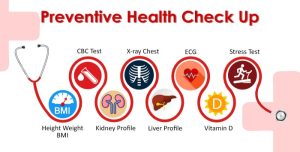
Regular health screenings play a crucial role in identifying underlying issues that may contribute to muscle pain. By undergoing specific tests and screenings, individuals can detect potential health conditions early on, leading to more effective treatment and pain management.
Importance of Health Screenings
Regular health screenings are essential for detecting any potential health problems that could be causing muscle pain. These screenings can help identify issues such as vitamin deficiencies, hormonal imbalances, or inflammatory conditions that may be contributing to discomfort. By addressing these underlying issues early on, individuals can prevent further complications and improve their overall well-being.
- Regular blood tests can help identify deficiencies in key nutrients such as vitamin D or magnesium, which are essential for muscle health.
- Hormone level screenings can detect imbalances that may be affecting muscle function, such as thyroid or adrenal hormones.
- Inflammatory markers tests can reveal underlying conditions like arthritis or autoimmune diseases that could be causing muscle pain.
Early Detection for Effective Treatment
Early detection through health screenings can lead to more effective treatment and pain management strategies. By identifying the root cause of muscle pain, healthcare providers can recommend targeted interventions to address the underlying issues. This proactive approach can help individuals alleviate discomfort, improve muscle function, and enhance their quality of life.
Regular health screenings are not only important for preventing disease but also for optimizing muscle health and relieving pain.
Vaccination Programs and Muscle Pain Relief
Vaccinations play a crucial role in preventing various illnesses that can lead to muscle pain. By boosting the immune system, vaccines help reduce the risk of infections that may cause muscle-related issues. Let’s explore how vaccination programs contribute to muscle pain relief and overall well-being.
Importance of Vaccination Programs, Massage therapy for muscle pain relief
Vaccination programs are designed to provide immunity against a wide range of diseases, including flu, tetanus, and hepatitis. By getting vaccinated, individuals can protect themselves from infections that may result in muscle pain. Vaccines work by stimulating the body’s immune response to build resistance to specific pathogens, reducing the likelihood of developing muscle-related issues.
- Vaccines are especially important for preventing viral infections like influenza, which can lead to muscle aches and pains.
- By reducing the spread of infectious diseases, vaccination programs help maintain overall community health and well-being.
- Regular vaccinations also contribute to reducing the burden on healthcare systems by preventing outbreaks of illnesses that may cause muscle pain.
Healthy Habits and Muscle Pain Relief
Proper lifestyle habits play a crucial role in supporting muscle pain relief and overall well-being. By incorporating healthy practices into your daily routine, you can alleviate muscle discomfort and promote a healthier body.
Hydration and Good Posture
Maintaining proper hydration levels and practicing good posture are essential for muscle pain relief. Dehydration can lead to muscle cramps and stiffness, while poor posture can strain muscles and cause discomfort. By drinking an adequate amount of water daily and maintaining correct posture, you can reduce the risk of muscle pain and promote better musculoskeletal health.
Regular Exercise and Rest
Regular exercise helps strengthen muscles, improve flexibility, and enhance blood circulation, all of which contribute to muscle pain relief. Engaging in activities like stretching, strength training, and cardiovascular exercises can prevent muscle tension and reduce the likelihood of pain. Additionally, adequate rest and recovery are crucial for muscle repair and growth.
By allowing your muscles to rest and recover, you can prevent overuse injuries and promote overall muscle health.
Preventing Muscle Pain with Healthy Habits
Cultivating healthy habits such as maintaining proper hydration, practicing good posture, engaging in regular exercise, and prioritizing rest can prevent muscle pain and promote overall well-being. By incorporating these habits into your lifestyle, you can support muscle pain relief and enjoy a healthier, more active life.
Balanced Hormones and Muscle Pain Relief
Maintaining balanced hormones is crucial for effective muscle pain relief. Hormones play a significant role in regulating various bodily functions, including muscle health and pain perception. When hormones are imbalanced, it can lead to increased inflammation, decreased muscle recovery, and heightened sensitivity to pain.
Impact of Hormonal Fluctuations on Muscle Health
Hormonal fluctuations, such as those experienced during menopause or with thyroid disorders, can have a direct impact on muscle health. For example, low estrogen levels in menopausal women can lead to muscle weakness and increased risk of injury. Similarly, imbalances in thyroid hormones can result in muscle stiffness and pain.
- Imbalanced hormones can increase inflammation in the body, leading to muscle soreness and discomfort.
- Hormonal fluctuations can affect muscle recovery post-exercise, prolonging the time it takes for muscles to heal and repair.
- Changes in hormone levels can alter pain perception, making individuals more sensitive to muscle pain and discomfort.
Tips for Maintaining Balanced Hormones for Muscle Pain Relief
To support muscle pain relief through hormonal balance, consider the following tips:
- Engage in regular exercise, as physical activity can help regulate hormone levels and reduce inflammation in the body.
- Adopt a healthy diet rich in nutrients that support hormone production, such as omega-3 fatty acids, vitamin D, and magnesium.
- Practice stress-reducing techniques like meditation or yoga to lower cortisol levels, a hormone that can contribute to muscle pain.
- Get an adequate amount of sleep each night to allow your body to regulate hormone levels and support muscle recovery.
- Consult with a healthcare provider to address any hormone imbalances through medication or hormone replacement therapy if necessary.
Health Coaching and Muscle Pain Relief
Health coaching plays a crucial role in guiding individuals towards effective muscle pain relief. By providing personalized strategies and support, health coaches can help people manage their muscle pain more effectively.
Benefits of Health Coaching for Muscle Pain Relief
- Health coaches can assess individual needs and create customized plans to address specific muscle pain issues.
- Coaches offer ongoing support and motivation to help individuals stay committed to their pain relief goals.
- Through education and guidance, health coaches empower individuals to make lifestyle changes that can reduce muscle pain in the long term.
Personalized Strategies for Managing Muscle Pain
- Health coaches work closely with individuals to identify triggers and develop strategies to prevent and alleviate muscle pain.
- They may recommend specific exercises, stretches, and relaxation techniques tailored to each person’s unique needs.
- Coaches also provide guidance on nutrition, stress management, and other lifestyle factors that can impact muscle pain.
Success Stories of Health Coaching for Muscle Pain Relief
“With the help of my health coach, I was able to finally find relief from my chronic muscle pain. Their personalized approach made all the difference in my recovery journey.”
Sarah
“I never thought I could feel this much better until I started working with a health coach. Their guidance and support have transformed my life and helped me manage my muscle pain effectively.”
John
Fitness Goals and Muscle Pain Relief
Setting fitness goals can be a powerful tool in helping individuals achieve muscle pain relief. By incorporating strength training and flexibility exercises into your fitness goals, you can support muscle health and reduce the risk of pain and discomfort. Here are some tips for creating realistic and sustainable fitness goals to aid in muscle pain management.
Importance of Strength Training and Flexibility Exercises
Strength training exercises help increase muscle mass, which can provide better support and stability for the body. This can help alleviate muscle pain by reducing strain on the muscles. Flexibility exercises, on the other hand, help improve range of motion and reduce stiffness, which can contribute to muscle pain relief.
Tips for Creating Realistic Fitness Goals
- Start small and gradually increase intensity to avoid injury and burnout.
- Set specific, measurable, achievable, relevant, and time-bound (SMART) goals to track progress effectively.
- Consult with a fitness professional to create a personalized plan tailored to your needs and abilities.
- Incorporate a variety of exercises to target different muscle groups and prevent overuse injuries.
- Listen to your body and adjust your goals as needed to ensure long-term success and sustainability.
Diet Planning and Muscle Pain Relief
Proper nutrition plays a crucial role in muscle pain relief and recovery. By ensuring your diet is rich in essential nutrients, you can support muscle health and reduce inflammation, ultimately aiding in the relief of muscle pain.
Nutrient-Rich Foods for Muscle Pain Relief
- Include anti-inflammatory foods such as fatty fish, berries, nuts, and leafy greens in your diet to help reduce inflammation in the muscles.
- Ensure you are consuming an adequate amount of protein to support muscle repair and growth. Opt for lean sources such as chicken, tofu, and legumes.
- Incorporate foods high in antioxidants, such as fruits and vegetables, to help combat oxidative stress and promote muscle recovery.
- Stay hydrated by drinking plenty of water throughout the day to support overall muscle function and reduce the risk of muscle cramps.
Health Supplements and Muscle Pain Relief
When it comes to muscle pain relief, health supplements can play a significant role in complementing massage therapy. These supplements can provide essential nutrients that support muscle health and aid in the recovery process.
Common Health Supplements for Muscle Pain Relief
- Magnesium: Magnesium is known for its muscle-relaxing properties, making it beneficial for reducing muscle tension and cramps. It also helps in the absorption of calcium, which is essential for muscle function.
- Turmeric: Turmeric contains curcumin, a compound with anti-inflammatory properties that can help alleviate muscle soreness and reduce inflammation.
Benefits of Health Supplements for Muscle Health
- Support Muscle Recovery: Health supplements can aid in muscle recovery post-massage therapy, promoting faster healing and reducing overall muscle soreness.
- Reduce Inflammation: Certain supplements like turmeric can help in reducing inflammation in the muscles, leading to decreased pain and discomfort.
Precautions and Guidelines
- Consult a Healthcare Professional: Before incorporating any health supplements into your muscle pain relief regimen, it’s crucial to consult with a healthcare professional to ensure they are safe and suitable for your specific needs.
- Follow Dosage Instructions: Always follow the recommended dosage instructions provided on the supplement packaging to avoid any adverse effects or complications.
- Monitor for Side Effects: Keep an eye out for any potential side effects or reactions when taking health supplements and discontinue use if any negative symptoms arise.
Breathing Techniques and Muscle Pain Relief
Breathing techniques play a crucial role in promoting relaxation and alleviating muscle tension. By incorporating specific breathing exercises with massage therapy, individuals can enhance the effects of muscle pain relief and overall well-being. Mindful breathing, in particular, can significantly improve the management of muscle pain by fostering a deeper mind-body connection.
Benefits of Deep Breathing
- Deep breathing techniques help to oxygenate the muscles, promoting relaxation and reducing muscle tension.
- By focusing on deep, slow breaths, individuals can calm the nervous system and alleviate stress, which often exacerbates muscle pain.
- Proper breathing techniques enhance blood circulation, delivering essential nutrients and oxygen to the muscles for faster recovery.
Specific Breathing Exercises
- Diaphragmatic breathing: This technique involves breathing deeply into the diaphragm, expanding the belly on inhale and contracting on exhale.
- 4-7-8 breathing: Inhale for a count of 4, hold for 7, and exhale for 8. This practice can help regulate breathing patterns and induce relaxation.
- Nadi Shodhana (Alternate Nostril Breathing): This yoga breathing exercise can balance energy flow in the body and promote relaxation.
Mindful Breathing for Muscle Pain Relief
- Practicing mindfulness during breathing exercises can help individuals focus on the present moment and alleviate mental stress that may contribute to muscle tension.
- By incorporating mindful breathing techniques with massage therapy, individuals can enhance the effects of pain relief and promote overall well-being.
- Consistent practice of mindful breathing can improve body awareness, allowing individuals to better recognize and address muscle tension before it escalates into pain.
Disease Prevention and Muscle Pain Relief
Preventing diseases plays a crucial role in maintaining overall muscle health and reducing the risk of muscle pain. By focusing on disease prevention strategies, individuals can take proactive steps to safeguard their well-being and minimize the likelihood of experiencing discomfort or pain in their muscles.
Importance of Vaccinations
Vaccinations are essential in preventing various illnesses that can potentially lead to muscle pain. By getting vaccinated against diseases such as influenza, tetanus, and other infections, individuals can protect themselves from the debilitating effects of these conditions on their muscles.
Hygiene Practices for Disease Prevention
Proper hygiene practices, such as regular handwashing, sanitizing surfaces, and maintaining cleanliness in living spaces, can help prevent the spread of germs and infections that may cause muscle pain. By incorporating good hygiene habits into daily routines, individuals can reduce the risk of developing illnesses that could impact their muscle health.
Lifestyle Choices for Disease Prevention
Making healthy lifestyle choices, such as eating a balanced diet, staying active, getting enough rest, and managing stress, can significantly contribute to disease prevention and muscle pain relief. By adopting a holistic approach to wellness, individuals can enhance their overall health and well-being while minimizing the chances of experiencing muscle-related issues.
Impact of Disease Prevention Programs
Participating in disease prevention programs, such as health screenings, vaccination drives, and educational workshops, can have a positive impact on managing muscle pain. These initiatives not only raise awareness about preventive measures but also empower individuals to take control of their health and reduce the risk of developing conditions that may lead to muscle discomfort.
Pain Management and Muscle Pain Relief
Massage therapy is a powerful tool for relieving muscle pain, but when it comes to managing pain in a comprehensive way, incorporating other modalities can enhance the effectiveness of treatment. By combining massage therapy with techniques like physical therapy or acupuncture, individuals can experience a more holistic approach to pain management.
Benefits of Combining Modalities
- Physical therapy can help target specific areas of weakness or imbalance in the body, complementing the overall benefits of massage therapy.
- Acupuncture, with its focus on balancing energy flow within the body, can enhance the pain-relieving effects of massage and promote overall well-being.
- Combining modalities can provide a more personalized treatment plan that addresses the unique needs of each individual, leading to better outcomes in pain management.
Self-Care Practices for Managing Muscle Pain
- Regular stretching exercises can help maintain flexibility and reduce muscle tension between massage therapy sessions.
- Applying heat or cold therapy to sore muscles can help alleviate pain and promote relaxation.
- Practicing proper posture and body mechanics in daily activities can prevent muscle strain and reduce the risk of developing chronic pain.
Holistic Treatments and Muscle Pain Relief
Holistic treatments focus on treating the whole person rather than just the symptoms of a particular condition. When it comes to muscle pain relief, holistic therapies take into account various factors that may contribute to the pain, such as stress, poor posture, or imbalances in the body.
Alternative Therapies for Muscle Pain Relief
- Acupuncture: This traditional Chinese medicine practice involves inserting thin needles into specific points on the body to stimulate energy flow and promote healing. Acupuncture can help relieve muscle tension and reduce pain.
- Aromatherapy: Essential oils are used in aromatherapy to promote relaxation, reduce inflammation, and improve circulation. Massage therapy combined with aromatherapy can be beneficial for muscle pain relief.
- Chiropractic Care: Chiropractors focus on aligning the spine and musculoskeletal system to improve overall health. Through adjustments and manipulations, chiropractic care can help alleviate muscle pain and restore proper function.
The Holistic Approach to Muscle Pain Relief
Holistic treatments for muscle pain relief not only target the physical symptoms but also address the emotional and mental aspects of pain. By incorporating techniques like mindfulness, stress reduction, and lifestyle modifications, holistic approaches aim to promote overall well-being and long-term pain management.
Mental Resilience and Muscle Pain Relief
When it comes to managing chronic muscle pain, mental resilience plays a crucial role in how individuals cope with their condition. The connection between mindset and emotional well-being can significantly influence the experience of muscle pain and overall quality of life.
Strategies for Building Mental Resilience
- Practice mindfulness and meditation to cultivate a positive outlook and reduce stress levels.
- Engage in regular physical activity to release endorphins and improve mood.
- Seek support from friends, family, or a therapist to work through emotional challenges related to pain.
- Develop healthy coping mechanisms such as journaling, deep breathing exercises, or creative outlets.
- Set realistic goals and celebrate small victories to boost self-confidence and motivation.
Conclusion
In conclusion, the journey through the realms of massage therapy for muscle pain relief has shed light on the interconnected aspects of wellness, herbal remedies, skin health, and much more. By embracing a holistic approach to muscle pain management, individuals can pave the way towards a healthier, pain-free lifestyle.
Q&A
How often should I get a massage for muscle pain relief?
It depends on the severity of your muscle pain, but regular sessions once a week or bi-weekly are typically recommended for optimal results.
Can massage therapy help with chronic muscle pain?
Yes, massage therapy can be effective in managing chronic muscle pain by reducing tension, improving circulation, and promoting overall relaxation.
Are there any side effects of using herbal remedies for muscle pain relief?
While herbal remedies are generally safe, it’s important to consult with a healthcare professional to ensure they won’t interact with any medications or existing health conditions.